About

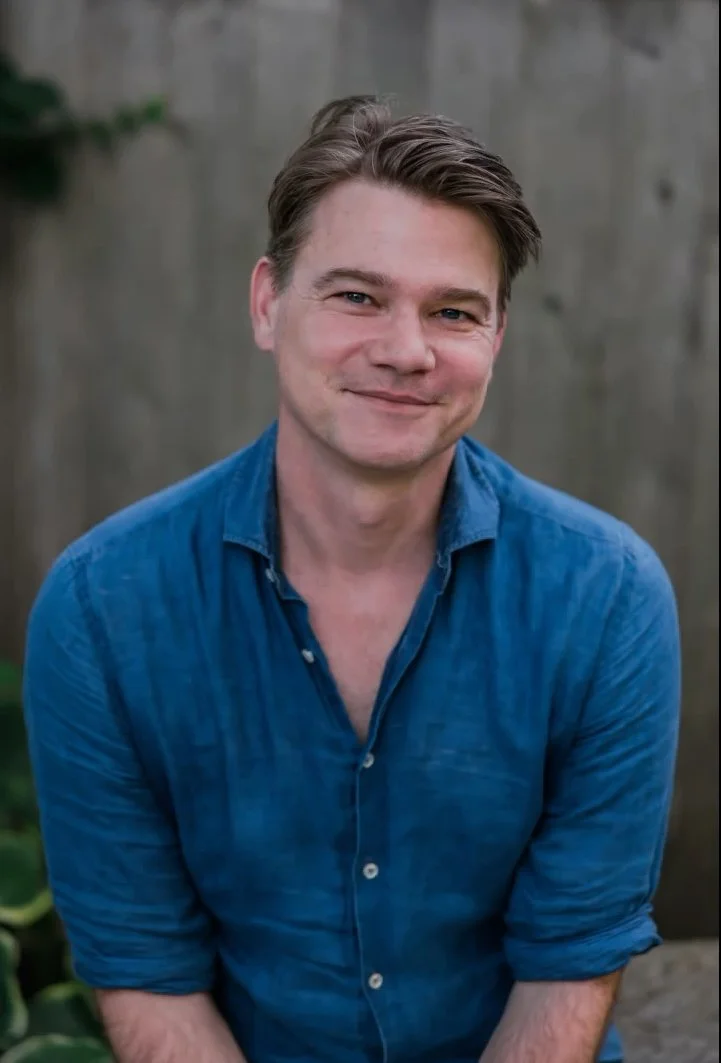
The Boston Globe has described Aylward’s music as being “delicate and deep, all at once”, and Gramophone has called Aylward’s music “mysterious, iridescent and daring”. The Canadian new music review, Textura, remarked that Aylward’s recent monodrama Angelus was “gripping music of a high order”, and that, “the manner by which Aylward conjoins his vocal and instrumental elements in the work sometimes calls to mind Berg’s handling of orchestration in Wozzeck and Lulu.”
Aylward’s recent awards and fellowships include those from the John S. Guggenheim Foundation, the American Academy of Arts and Letters, the Radcliffe Institute at Harvard University, the Koussevitzky Commission from the Library of Congress, the Fromm Foundation, MacDowell, Tanglewood, the Atlantic Center for the Arts, the Virginia Center for the Creative Arts, First Prize from the International Society for Contemporary Music, and many others.
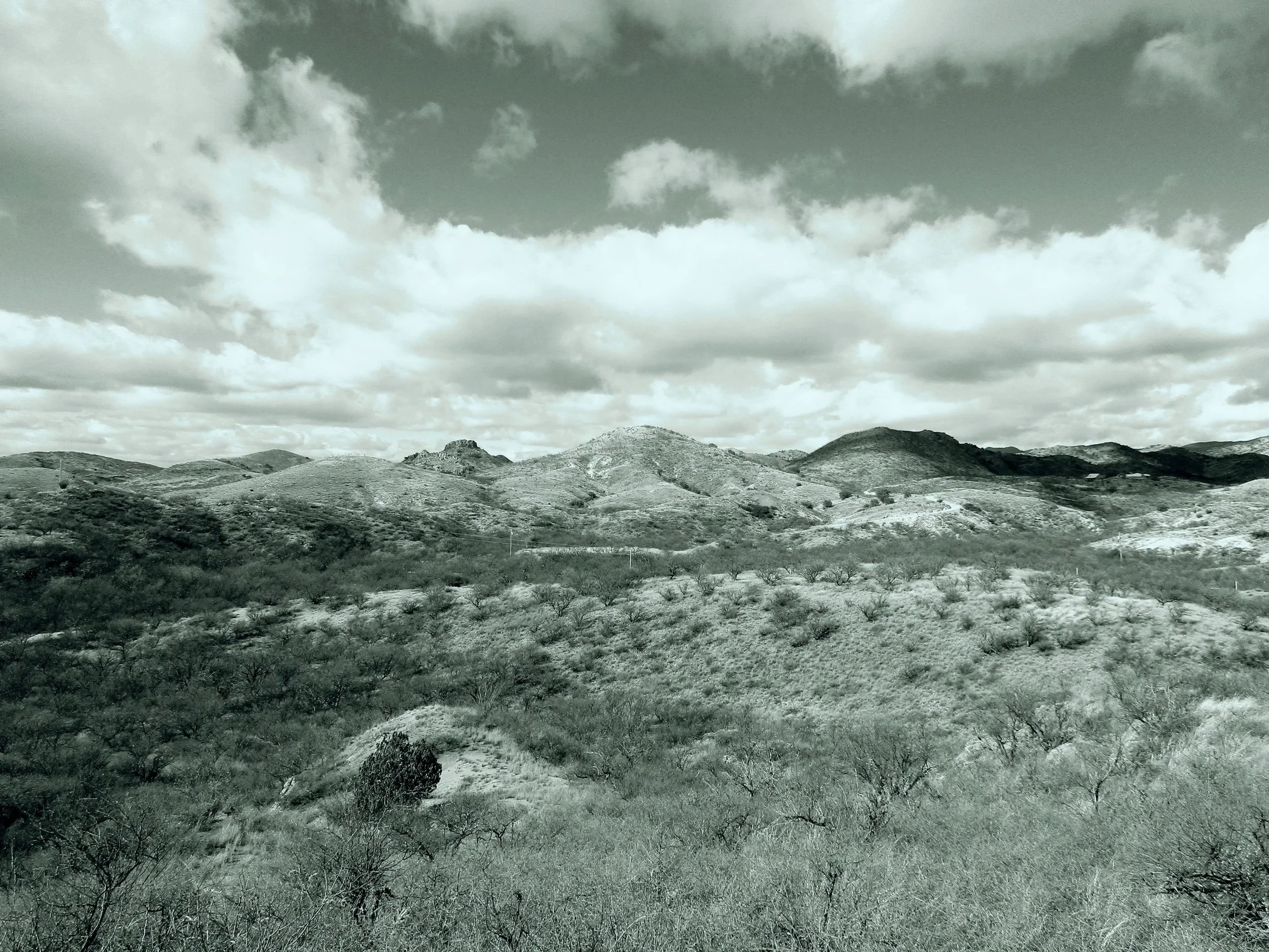
John grew up in the Sonoran Desert on the border of Arizona and Mexico, a child of an immigrant mother from Germany (herself a World War II refugee) and in circumstances of both tremendous diversity and economic instability. His music reflects the rich expressions of converging cultural histories and the deeply interwoven communities of that earlier life, all within the otherworldly landscapes of the desert.
Artist Statement
I see my work as an inquiry into, and meditation on, what makes the human experience: time, memory, myth, and the landscapes that form our sense of place. I was raised in the Sonoran Desert, and that place still deeply resonates with me: its expanse, its silence, its deep layers of history. This has imbued my work with a sensitivity to generational time, to the conflicts and confluences of shared cultural histories, and to the resonance of origin stories.
I am less interested in form and genre and much more concerned with storytelling. Each story requires its own specific sound, space, and time to unfold. I do not endeavor toward style but I am not averse to one if it develops in the service of telling the stories I want to tell. Much of what I want to express in music has connections to philosophers, authors, poets, and other artists who deal with issues of displacement and personal transformation.
In Angelus, I crafted a monodrama rooted in personal memory: inspired by a journey with my mother — a former refugee — to Germany. Through voices that speak, sing, and witness, I set a series of texts that wander through metaphysical, psychological, and spiritual landscapes. In my recent opera Oblivion, I confront existential questions of memory, identity, and redemption. Scored for voices, strings, electric guitar, and electronics, the work echoes mythological and mythopoetic traditions, but stays grounded in a human longing and restlessness.
I am influenced by a broad range of musical traditions and aesthetics. I love the delicate, iridescent harmonic world of Messiaen and Dutilleux, the rhythmic vitality of Stravinsky, and Ligeti's inventive textures and soundscapes. The newness of my work comes from the ways I seek to deploy the magic of these musics into an exploration of the human for our own time. As a pianist and conductor, I try to bring the same curiosity into performance, and as Artistic Director of the Ecce Ensemble and founder of the Etchings Festival, I bring people together in spaces where fresh ideas of today's concert music can flourish through collaboration and communal inquiry.
Through my work as an artist, I seek to reconcile origins with futures, memory with the present, loss with belonging, the end with the beginning. I hope my work is an invitation to listen beyond our passing interactions and into our collective histories, to feel the breath of liminal spaces yet to articulate, and to live for a moment longer in the blink of an eye.