Between Heaven and Earth.
2025. 15'
For Actor, Soprano, and Ensemble.
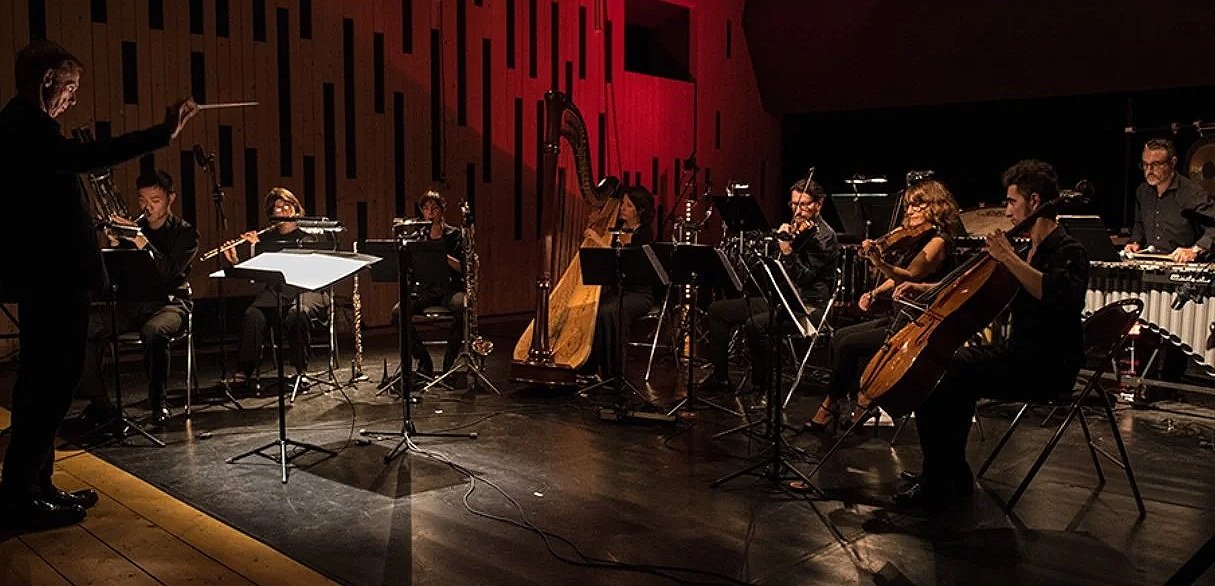
Commissioned by Ensemble Télémaque. Raoul Lay, conductor.
Instrumentation:
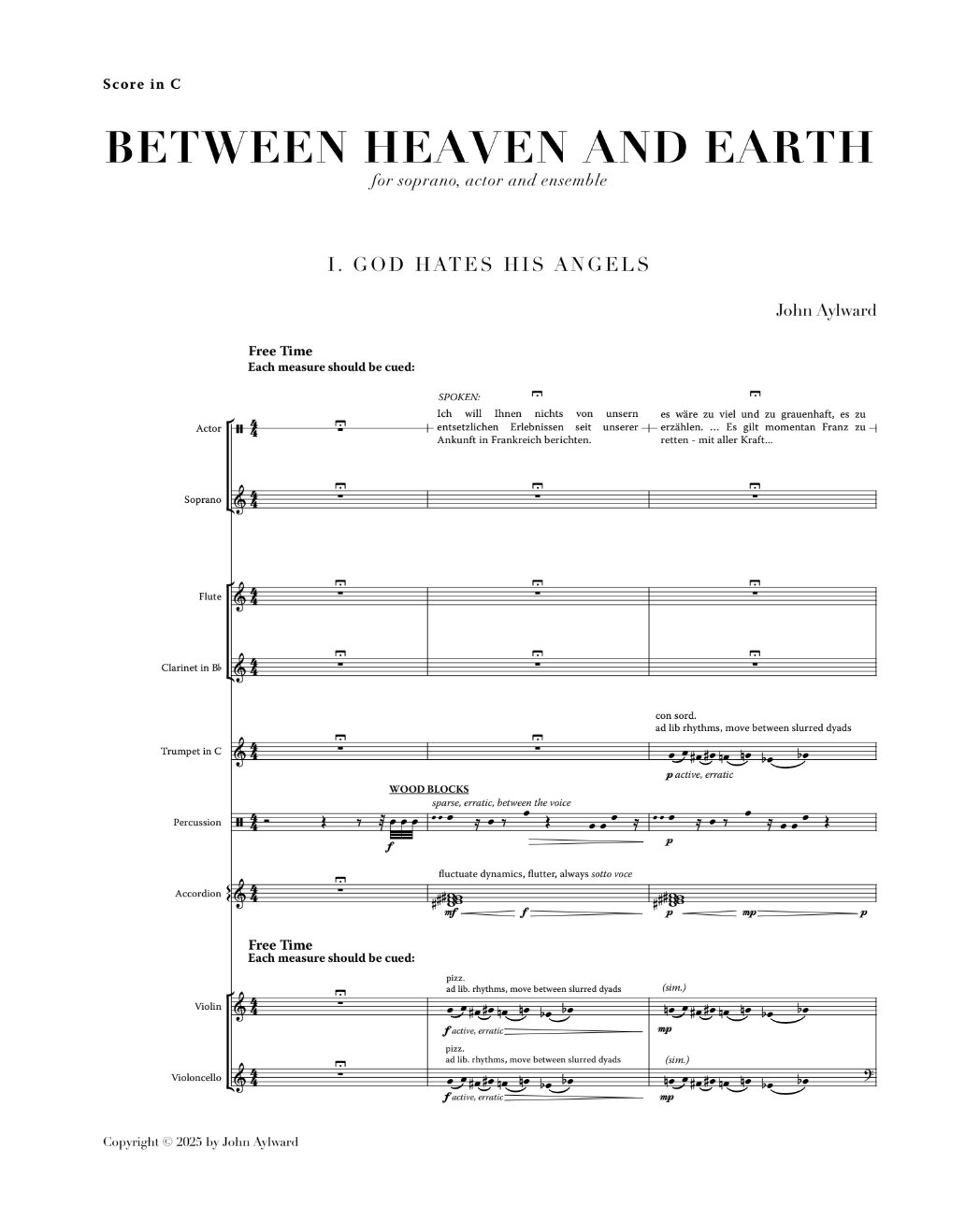
Actor, soprano, flute / picc., clarinet, trumpet, percussion, accordion, violin and cello.
Join us
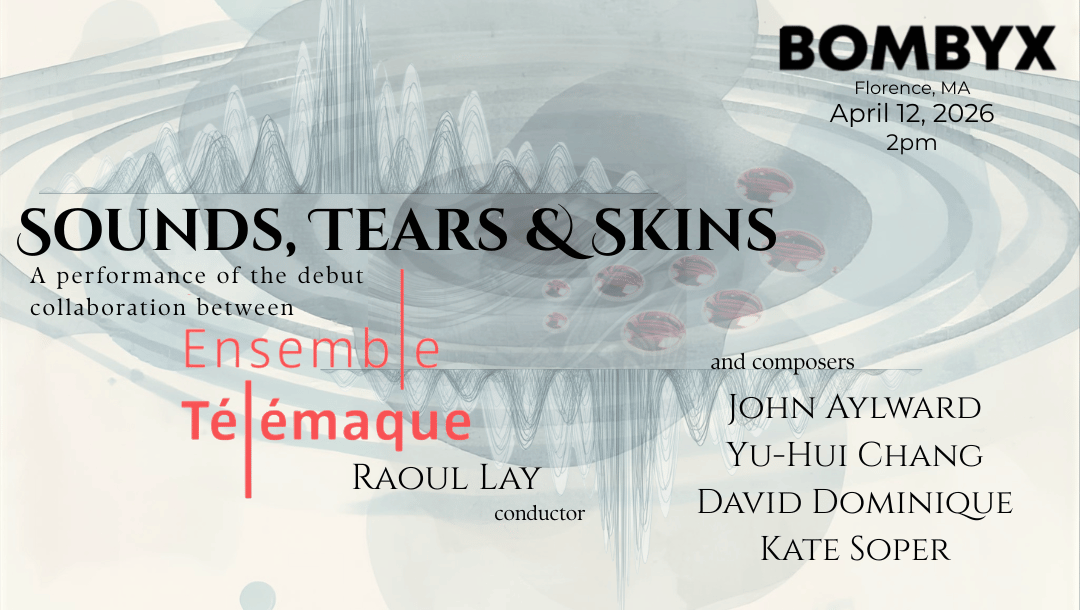
at the premiere in
Western Massachusetts
this April
Notes on the work:
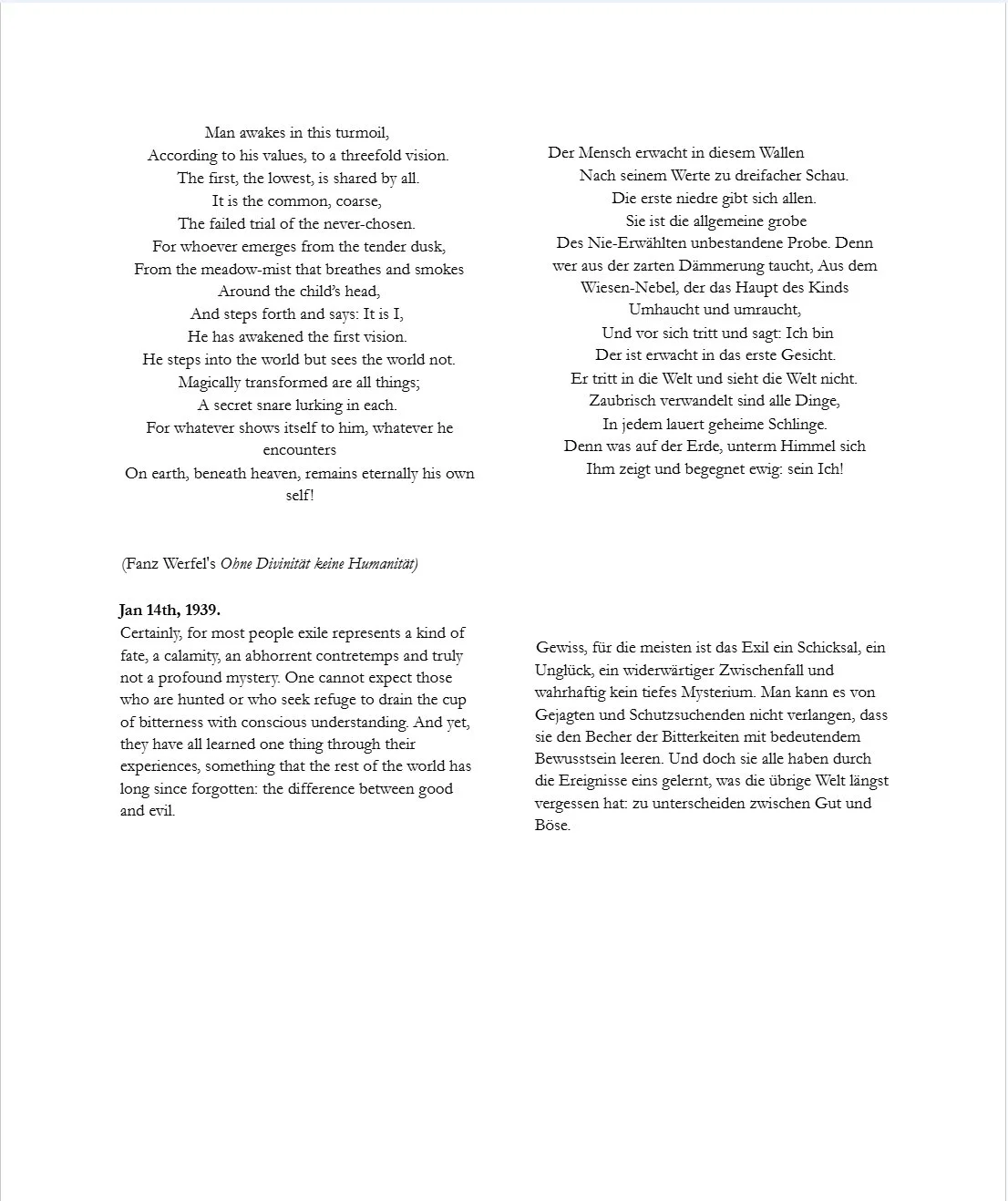
Between Heaven and Earth is an exploration of a moment in the life of Franz Werfel as he escaped Nazi Germany in 1939, travelled through Marseille, Cassis, and Lourdes, France, into Portugal, and finally, the U.S. The work's texts are taken from Werfel's 1929 play Spiegelmensch and his letters and private correspondence from the years 1939 and 1940, which are archived at the Center for Jewish History in New York City.
Spiegelmensch is one of Werfel's early plays. The work embodies a kind of expressionism wrought from early Freudian and Jungian psychology that gave us similar explorations by Herman Hesse and Thomas Mann. Werfel's approach to the transformation of the soul is somewhat more spirited than Mann and more explicit than Hesse. In reading Spiegelmensch, one might almost believe that expressionism had a playful side. Werfel's descriptions are bold and daring, but there is a sense that the demands are never too much for his protagonist. In all, Spiegelmensch is somewhat uplifting, and so one wonders what Werfel must have thought of the work over a decade later as he faced exile from Germany.
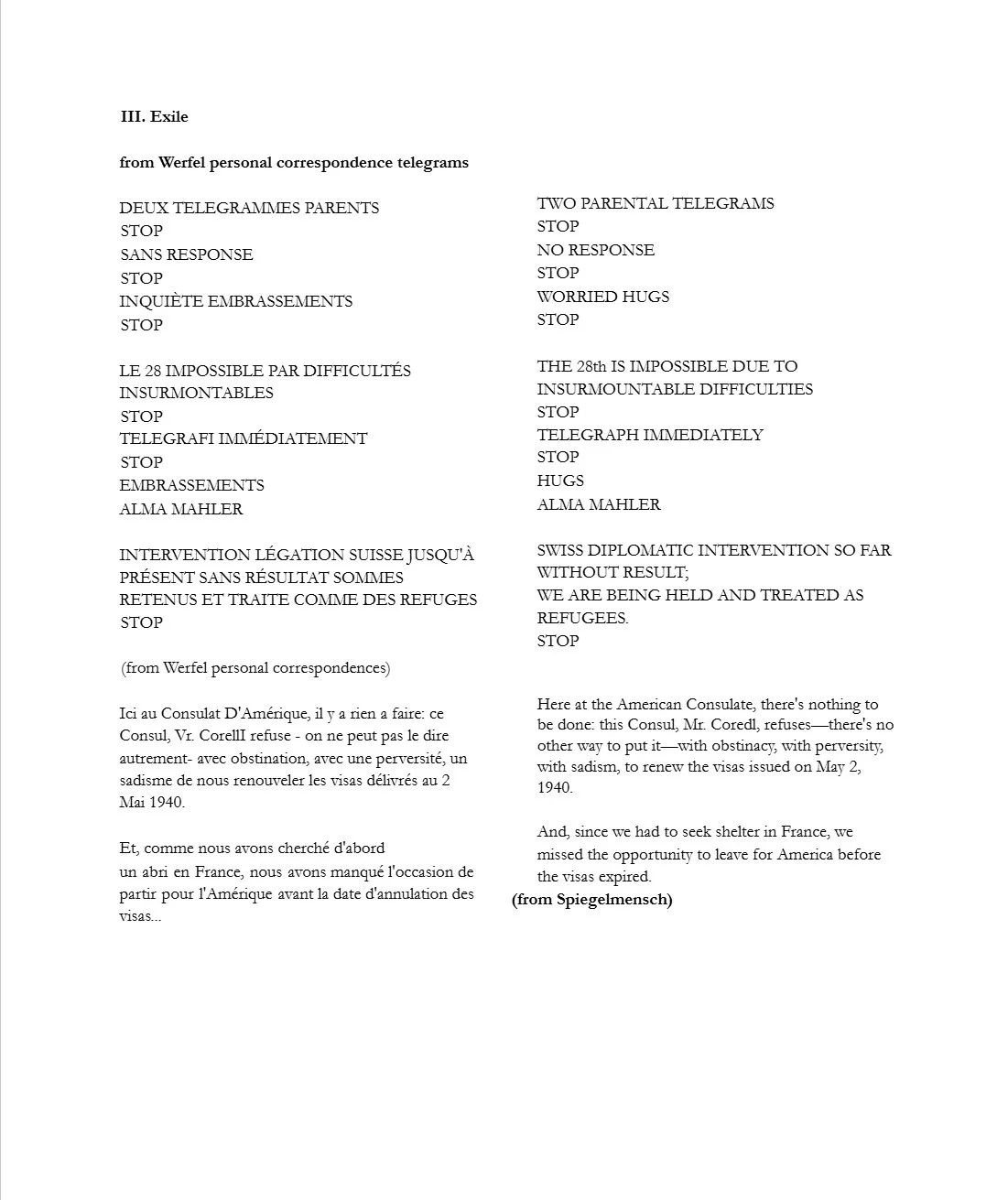
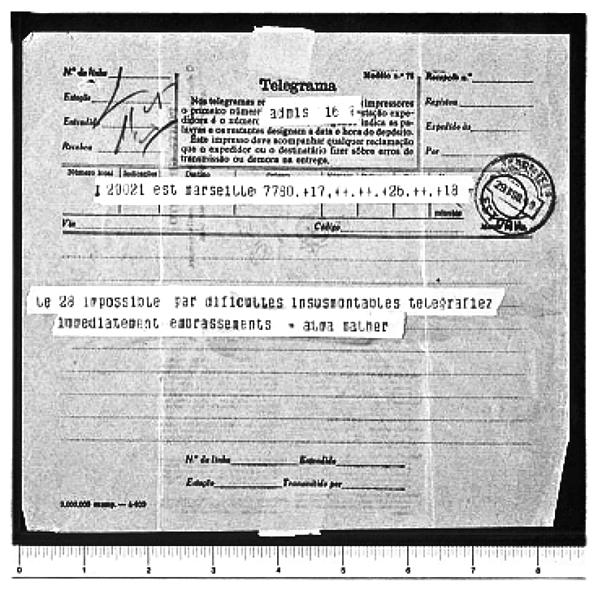
Werful's journey took him first to France, where even there his life was in danger. Dispatches by telegram from his sister Marianne can be pieced together to tell a tale of covert travels. Marianne had reached the U.S. by the time Franz was fleeing. Her many cables to the International Red Cross, various hotels where Franz might be staying, and a few trusted European dignitaries, show how doggedly she helped her brother escape the encroaching spectre of the Nazi's. All the while, Franz was travelling with his wife, Alma Mahler. In one piece of preserved correspondence from Werfel's archive, his journey to Marseille is described as having resulted in the very last consulate in France refusing his visa. Franz and Alma continued on, having to cross into Portugal to secure another chance for the U.S.
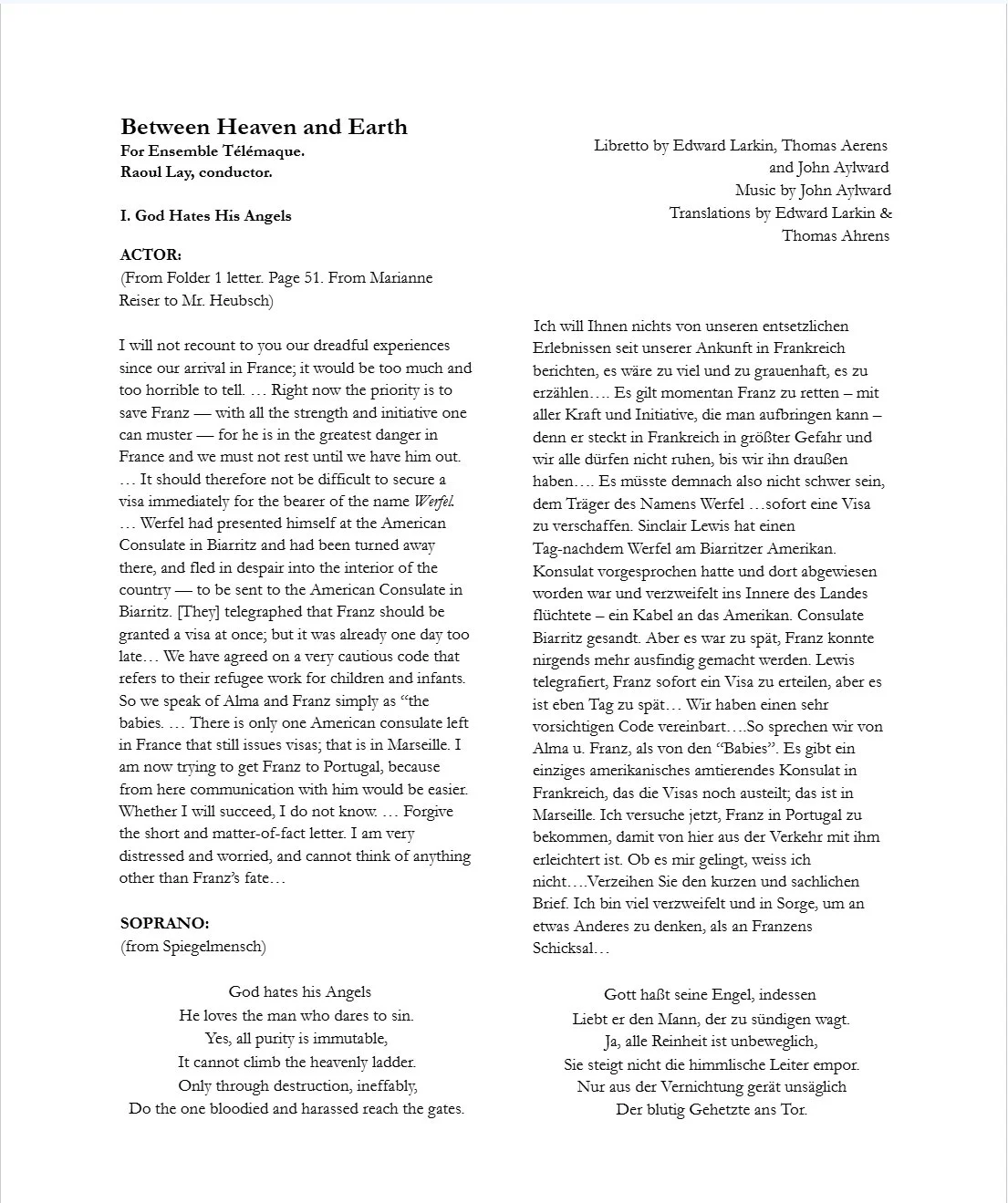
These dispatches, concise, dramatic, and in some instances bewilderingly mundane given the circumstances, form another thread of Between Heaven and Earth. Selections of letters and telegrams between Franz and his sister make up the work's spoken monologues. There is no direction as to how these monologues should be acted, and the ensemble is often instructed to play in such a manner as to accommodate the pace and overall interpretation of the actor. I hope that any performance of the work will provide space and liberty for the actor to direct themselves, or to even employ a director if the actor is so inclined to collaborate.
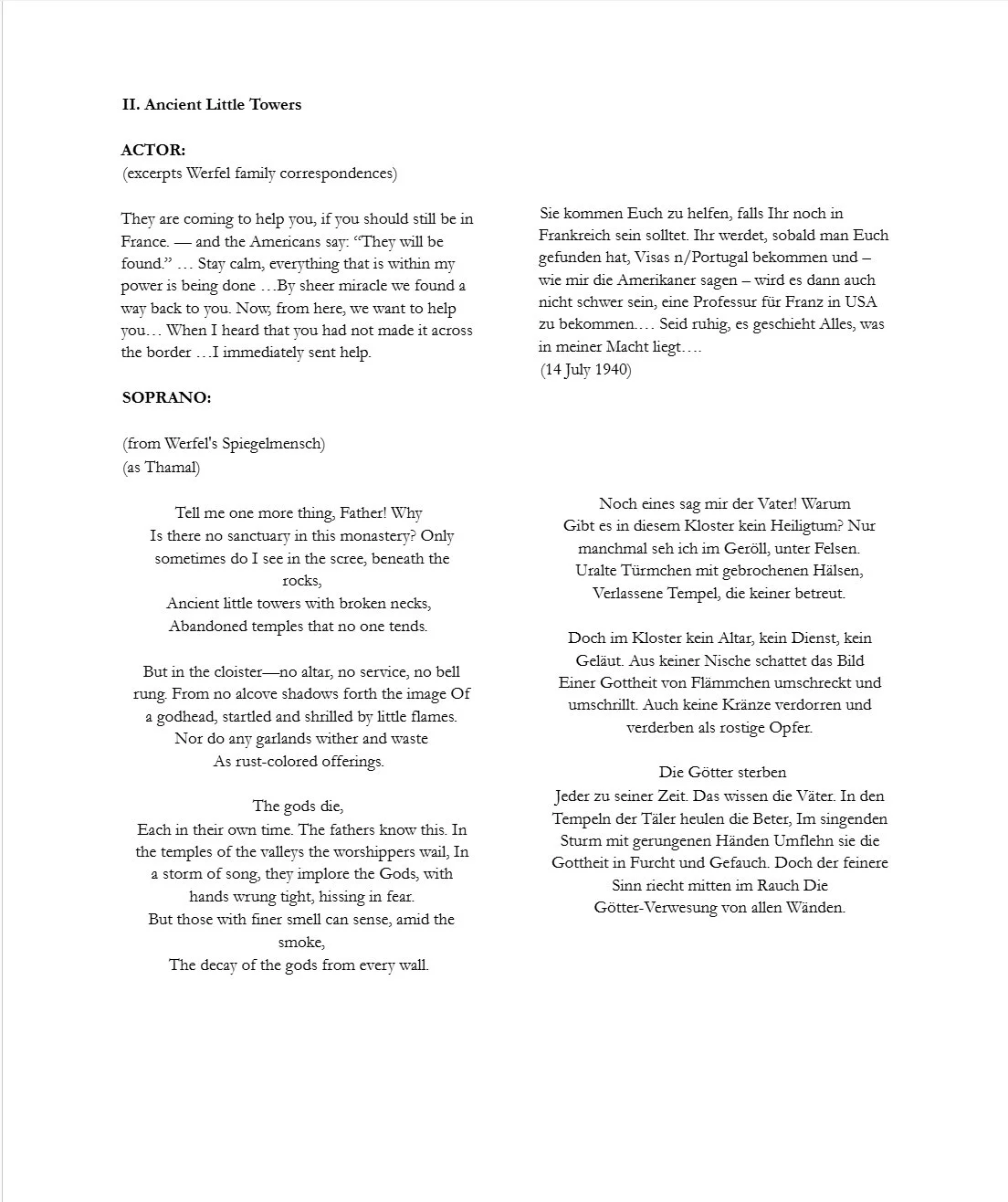
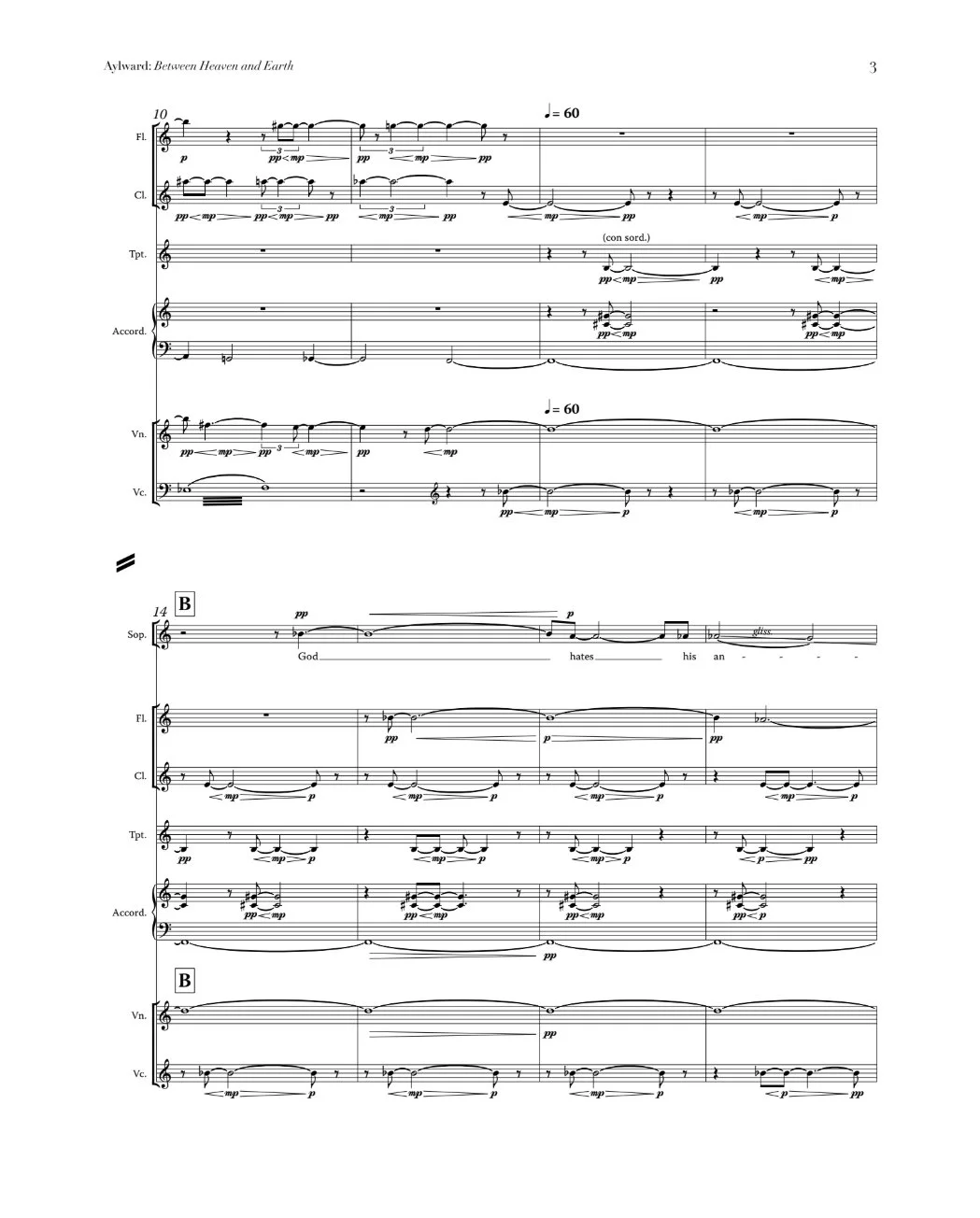
The work is set in three movements, each blending excerpts of monologues from Spiegelmensch, sung by the soprano, with excerpts from Franz and Alma's correspondences, narrated and acted by the actor. The actor and soprano are free to interact as much or as little as wanted. The work is composed to allow for overlap, interaction, and continuous foregrounding / backgrounding of their presence. This should all be taken advantage of for maximal performative effect. The ensemble is composed to support these interactions.
I owe Edward Larkin and Thomas Aerens a great deal for their help in bringing this work together. As I was beginning this project, I asked my good friend and assistant JoAnna Pope if she knew of any translators who could help me better understand Werfel's writings. JoAnna found Ed and Thomas and got us all working together. Ed and Thomas translated much of Spiegelmensch in addition to a great many of the Werfel family personal correspondences archived at the Center for Jewish History. With continued help from JoAnna, we had numerous discussions about Spiegelmensch, Franz and Alma's journey, and many of the archive's documents. Their translations and our discussions helped me to understand how best to dramatize the materials. As I began to piece fragments together, I imagined Franz recalling the messages of transformation and spiritual fortitude in his play from years prior as he worked so tirelessly, and I'm sure fearfully, to escape Nazi Germany.
Many are familiar with Alma Mahler's life through her marriage to Gustav Mahler, but rarely is it discussed that she was married to Franz Werful for many years. Correspondences from their immigration story show how close they were. One of Alma Mahler's songs, Der Ekennende, is her only setting of a Franz Werful poem. I use a quote from the opening of this song in the final moments of Between Heaven and Earth.
Thanks also to Raoul Lay and Ensemble Télémaque for commissioning the work.
– JA
Libretto and Score Excerpts: