Cannes World Film Festival Interview
Composer and filmmaker John Aylward, fresh off winning Best Musical Film at the World Film Festival in Cannes for Oblivion, sits down to talk about the surreal, the philosophical, and the deeply personal forces shaping his work.
In this wide‑ranging conversation, Aylward reflects on the state of independent filmmaking, how his musical language has developed by working across genres, and his abiding artistic concerns of memory, myth, and creating the human.
Aylward also discusses the shared visions of his collaborators producer Graham Swon and director Laine Rettmer, the founding of his music festival in France and why opera‑film is the future.
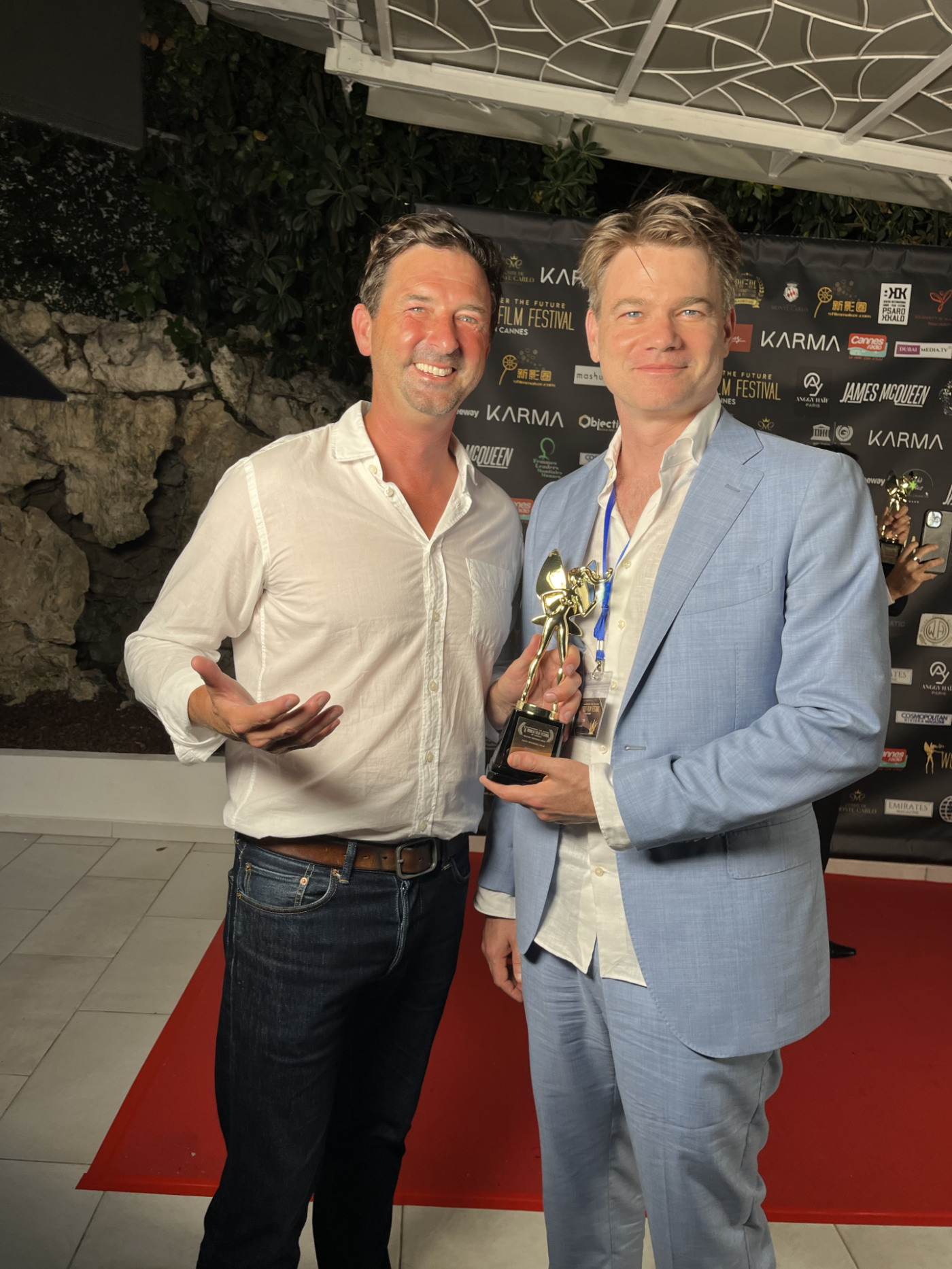
John Aylward, it is a pleasure to e-meet you! A warm welcome to this interview with the World Film Festival in Cannes. You won the award for Best Musical Film. Please accept all our congratulations. What would be your message to the festival and your audience in France and internationally?
Thank you for that warm welcome. I am honored that Oblivion won Best Musical Film at the World Film Festival in Cannes this year, and to all those in France and internationally, I would say thank you so much for your interest and support. Independent films are not easy to get off the ground, and it’s the kind of love and warmth from all corners of the globe that make film projects like Oblivion worthwhile.
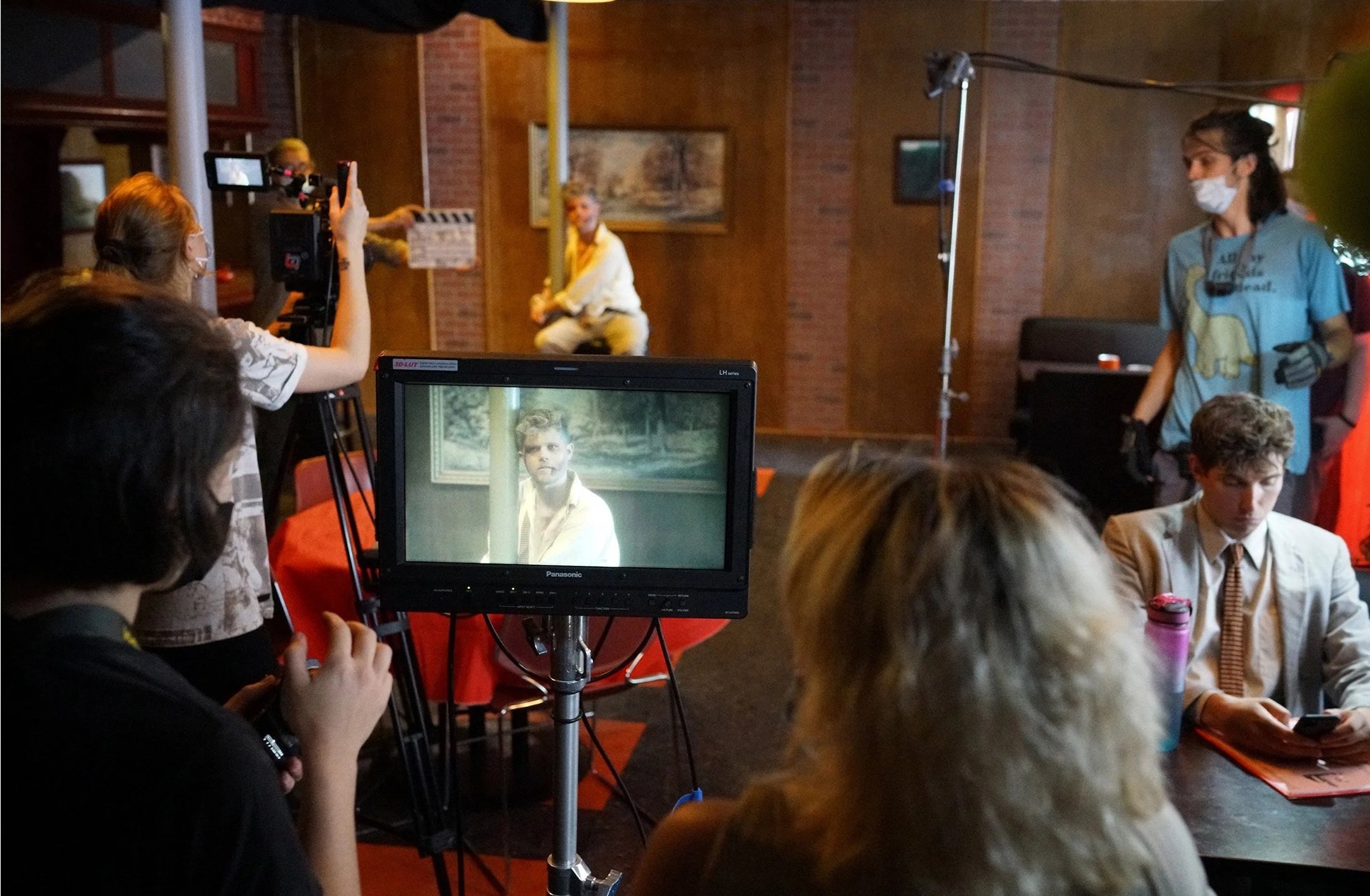


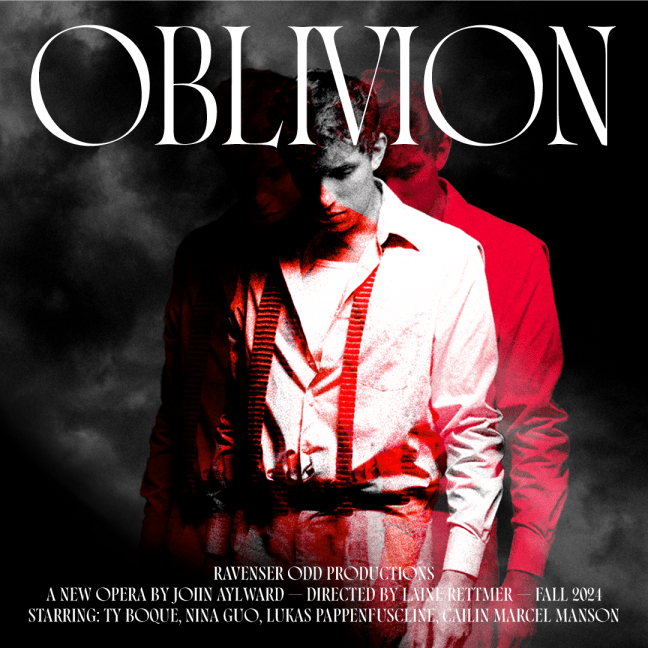
This opera explores the idea that the afterlife is the expression of our conceptions of a post-apocalyptic world. How did you arrive at a choice of score for this theme, and where did you draw your inspiration from? Do you consider that humanity could be currently going through what Nietzsche saw as the pre-apocalyptic era, fraught with war and earthquakes?
It’s interesting you bring up Nietzsche. I just finished an orchestral work based around his concept of the “Eternal Return.” I do think that we are living through a very palpable moment in a larger human cycle. You touch on the similarity between our conception of the afterlife and our ideas of apocalypse or revelation. These may be more connected than we think. The original idea of the apocalypse is a revealing or pulling back of the curtain, and Oblivion grapples with what it must feel like to be on the precipice of that unveiling. Would we want to know if we could? The wanderers make different choices so that the audience can ask what choice they might make. I’m not saying the afterlife is what we traditionally consider post-apocalyptic, but rather that our sense of self is so dependent on memory and lived experience that we sometimes lose sight of who we might be when those things are stripped away.
